
Roofing materials
Tile roofing in Colorado weather
Concrete and clay tile can last a long time and handle intense sun well. In Denver, the questions are weight, freeze-thaw rating, hail breakage, and the condition of the underlayment that does the real waterproofing.
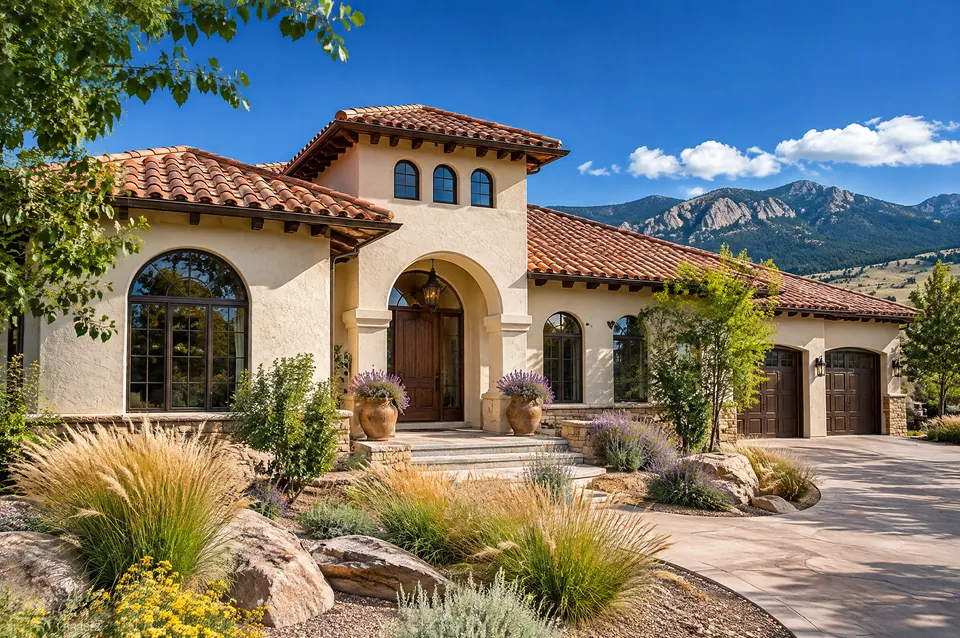
- HeavyFraming must be checked before a switch to tile
- UnderneathUnderlayment does the waterproofing
- HailBroken tiles can hide under whole ones
Concrete tile and clay tile
Most tile roofs in the metro are concrete tile: cast cement and sand, colored through or on the surface, in flat, low-profile or high-barrel shapes. Clay tile is fired, holds color through its body, and shows up on older Spanish-revival and Mediterranean-style homes. Both are installed in overlapping courses on battens or directly on the deck, over an underlayment. The tile sheds most water and protects the underlayment from sun; the underlayment is what stops wind-driven rain and meltwater that gets past the tile.
Strengths and weaknesses here
Where tile does well
- Takes high-altitude sun without the surface breakdown that softer materials show.
- Noncombustible and heavy, so it stays put in wind when properly attached.
- Individual tiles can be replaced without disturbing the whole roof.
- Distinctive look that fits specific architectural styles.
Where it struggles
- Several times heavier than shingles; many existing houses need engineering review before a switch.
- Large hail and foot traffic crack tiles.
- Water absorbed by some tile bodies can freeze and spall if the product is not rated for freeze-thaw exposure.
- Underlayment can wear out long before the tiles, and replacing it means lifting and re-laying tile.
Weight and structure
Tile adds a substantial dead load, and on top of that the roof must carry snow. The snow load a roof must be designed for comes from the building code the jurisdiction has adopted and is verified for that building by a qualified professional; it is not something a contractor should estimate from the curb. If your home was framed for shingles, plan for a structural review before choosing tile, and budget for reinforcement if it is needed.
Freeze-thaw and the product spec
Tiles that absorb water can crack or flake when that water freezes. Product standards for concrete and clay tile include freeze-thaw testing and weathering grades; ask the manufacturer which grade or test result applies and confirm it is meant for severe-weather regions. With Denver's frequent swings around freezing in winter and spring, this line on the spec sheet matters more than color.
Hail and repairs
Hail can crack tiles outright or leave hairline fractures that open later. A broken tile under an intact one is easy to miss from the ground. Repairs need matching tiles; keeping a few spares from the original installation saves trouble later, since profiles and colors get discontinued. Walking a tile roof carelessly causes as much damage as a storm, so inspections are done with care and sometimes from the edges only.
Historic tile roofs in Denver
If the home is a Denver landmark or in a historic district, reroofing needs Landmark Preservation review; same-material work may use a quicker review, while changing material, including to synthetic tile, may need Commission review [S3].
Questions for a tile proposal
- Is the existing tile being reused, and how many breakages are allowed for?
- Which underlayment, and is it rated for long exposure under tile?
- How are tiles attached, especially at ridges, hips and edges in wind?
- Has the structure been reviewed for the installed weight?
- What freeze-thaw rating does the tile carry? Service life varies by product; ask for the manufacturer's spec.
Questions people ask
- My tile looks fine but the roof leaks. How?
The tile is not the waterproof layer. Leaks on tile roofs usually trace back to aged underlayment, failed flashing at walls and valleys, or a cracked tile letting water reach a weak spot below.
- Can tile be reused when the underlayment is replaced?
Often, yes. Tiles are lifted, stacked, the underlayment and flashing replaced, then the tile re-laid. Some breakage is expected, so having matching replacements lined up first is important.
- Is synthetic tile an option for a historic Denver home?
Possibly, but in Denver a change of material on a landmark or in a historic district, including to a synthetic version, may require Landmark Preservation Commission review. Check before ordering.
Sources
Rules change. Confirm current requirements with Denver Community Planning and Development or your own city or county building department. This is general information, not legal advice. Last reviewed November 2026. How we research these pages.