
Roofing materials
Metal roofing on the Front Range
Metal sheds snow, shrugs off most wind and rarely leaks through the panel itself. Hail is the catch: it usually dents rather than punctures, so the question becomes how much a dented roof bothers you.
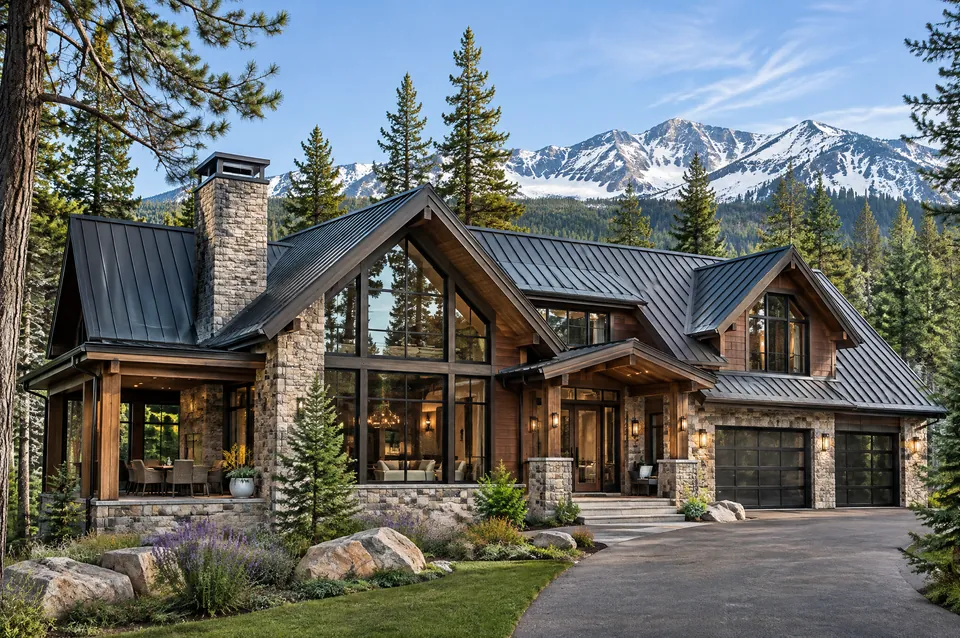
- Common typesStanding seam, exposed-screw panels, metal shingles
- SnowSlides off in sheets; plan where it lands
- HailCosmetic denting is the usual damage
Kinds of metal roof
Standing seam panels run from eave to ridge with raised seams that lock together over hidden clips, so no screws pierce the weather surface. It is the look most people picture on mountain-modern homes. Exposed-screw panels are simpler and cheaper, with screws and rubber washers through the face; those washers age in sun and need checking. Metal shingles and shakes are stamped to resemble other materials and installed in smaller pieces. Steel with a factory paint finish is most common; aluminum and other metals exist for specific needs.
Trade-offs in Denver conditions
Strengths
- Snow and ice slide off steeper metal roofs, which reduces ice dams at the eaves.
- Hidden-clip standing seam has few places for water to get in.
- Light, so usually no structural upgrade is needed.
- Suits some lower slopes where shingles will not work, depending on the panel system.
Weak points
- Hail can dent panels and mark the finish; heavier gauges and ribbed profiles dent less visibly.
- Sliding snow can tear off gutters, bury walkways and hit people below doors.
- Panels expand and contract with big temperature swings; poor detailing shows up as oil-canning or loose screws.
- Higher upfront cost than asphalt for most homes, and fewer crews with experience on complex roofs.
Hail: dents versus leaks
On a metal roof, the usual hail outcome is cosmetic denting with the panel still watertight. Whether cosmetic damage is covered depends entirely on your policy; some policies exclude it. Read your declarations page or ask your insurer before you choose metal for hail reasons. Some metal products carry a UL 2218 impact class, which tests resistance to cracking and penetration rather than denting, so it does not tell you how a panel will look after a storm.
Snow, sun and temperature swings
Because snow slides, a metal roof needs a plan for where it goes: snow guards above entries, decks, driveways and lower roofs, and gutters strong enough or set low enough to avoid being stripped off. The design load for snow itself is set by the adopted building code and verified for your building, not by the roofing material. On the sun side, paint finish quality decides how well color holds up under high-altitude UV [S10]; ask for the finish system and its fade and chalk terms in the manufacturer's warranty. Long panels move as a dry Denver morning turns into a hot afternoon, so clip systems and screw spacing need to allow for that movement.
Noise and condensation
Over a solid deck with underlayment, rain and hail noise inside is usually close to a shingle roof. Panels installed over open framing, as on some outbuildings, are much louder. A proper underlayment also manages condensation on the underside of the metal on cold nights.
What to ask before choosing metal
- Panel profile, metal type and gauge, and the finish system on the spec sheet.
- Where snow guards go and how gutters are protected.
- How penetrations such as vents and chimneys are flashed through the panels.
- Whether your policy covers cosmetic hail damage on metal.
- Warranty terms for the panel, the finish and the workmanship, in writing. Service life varies by product; ask for the manufacturer's spec.
Questions people ask
- Does a metal roof attract lightning?
No more than other roofing materials. Lightning strikes based on height and location, not roof material. If lightning protection is a concern, that is a separate system designed for the building.
- Can metal go over my existing shingles?
Some systems allow it where code permits, but it hides the deck and can trap problems. Removing old roofing lets the deck and flashing be checked and keeps the new panels flat.
- Why does my metal roof pop and tick in the morning?
That is thermal movement: panels expanding as the sun hits them. Some sound is normal. Loud, sharp bangs or loose screws can mean the panels are restrained too tightly and should be checked.
Sources
Rules change. Confirm current requirements with Denver Community Planning and Development or your own city or county building department. This is general information, not legal advice. Last reviewed November 2026. How we research these pages.