
Materials compared
Roofing materials for the Front Range
Choosing a roof covering in Denver means weighing hail against budget, weight against structure, and upkeep against appearance. This page lays out the trade-offs in plain terms.
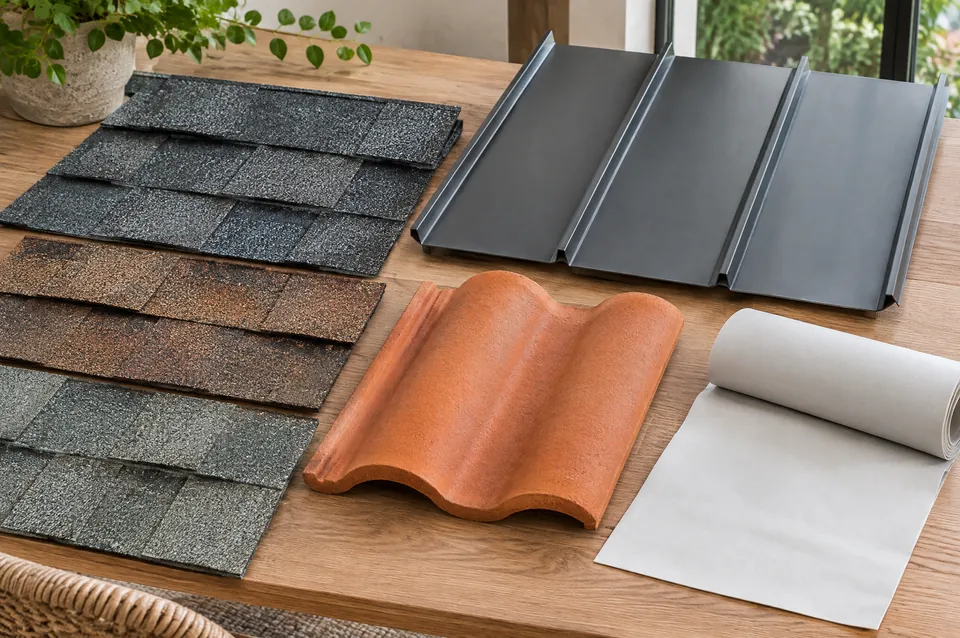
- Start with slopeRoof pitch rules some materials in or out
- Then structureHeavier coverings need a framing check
- Then weatherHail, UV, wind and freeze-thaw ratings
Four families of roofing
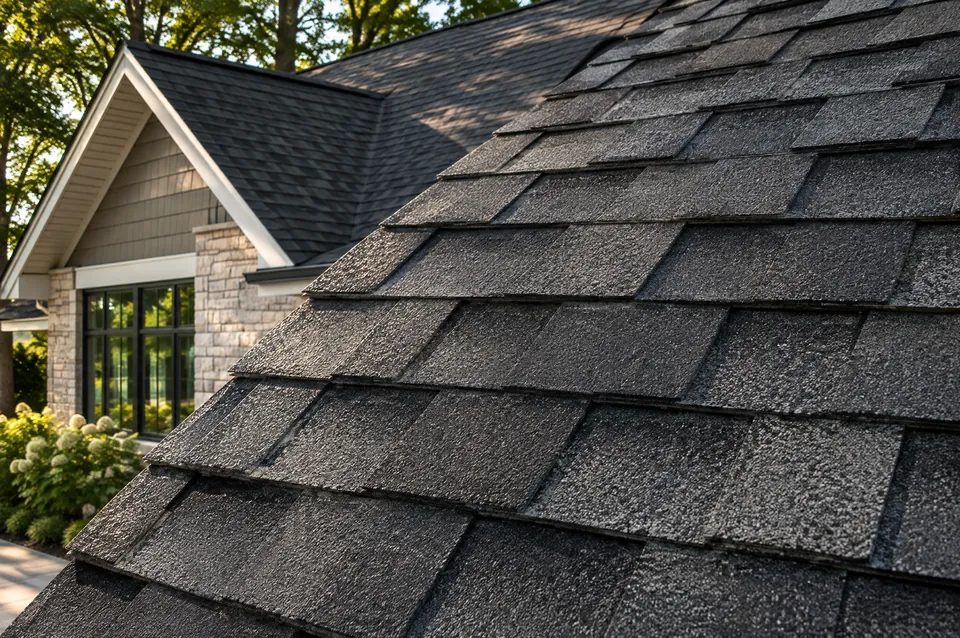 Asphalt shinglesThe most common Denver roof; impact-rated options exist.Illustrative image
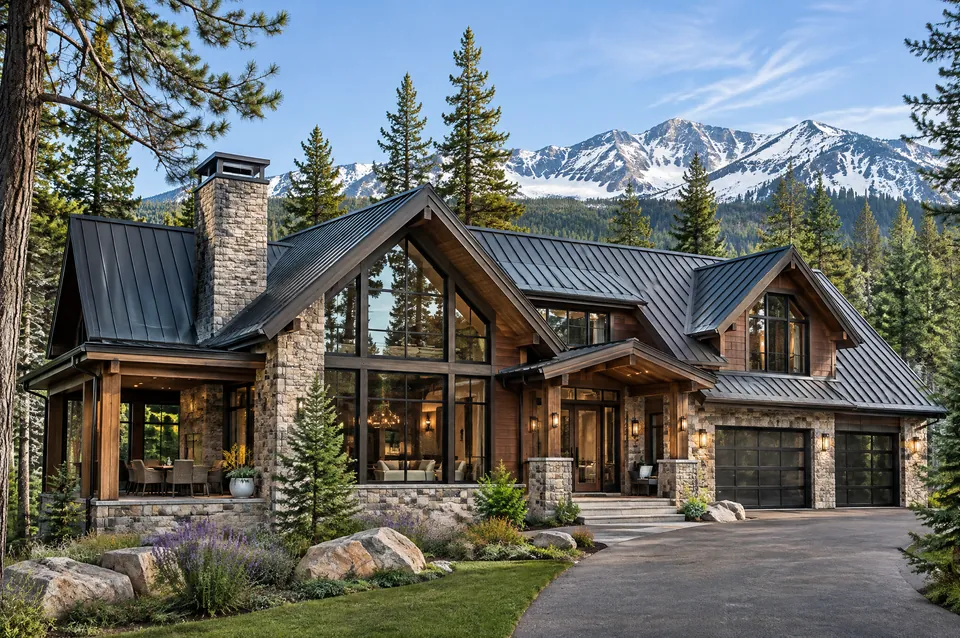 Metal roofingSheds snow and resists leaks; hail can dent the finish.Illustrative image
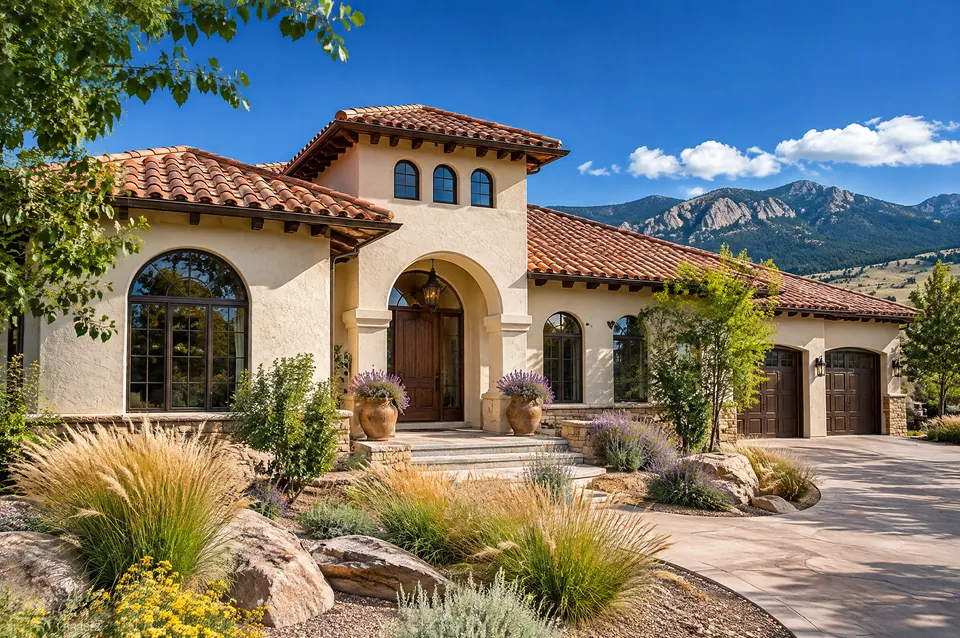 Tile roofingHeavy and long-lived; structure and hail breakage matter.Illustrative image
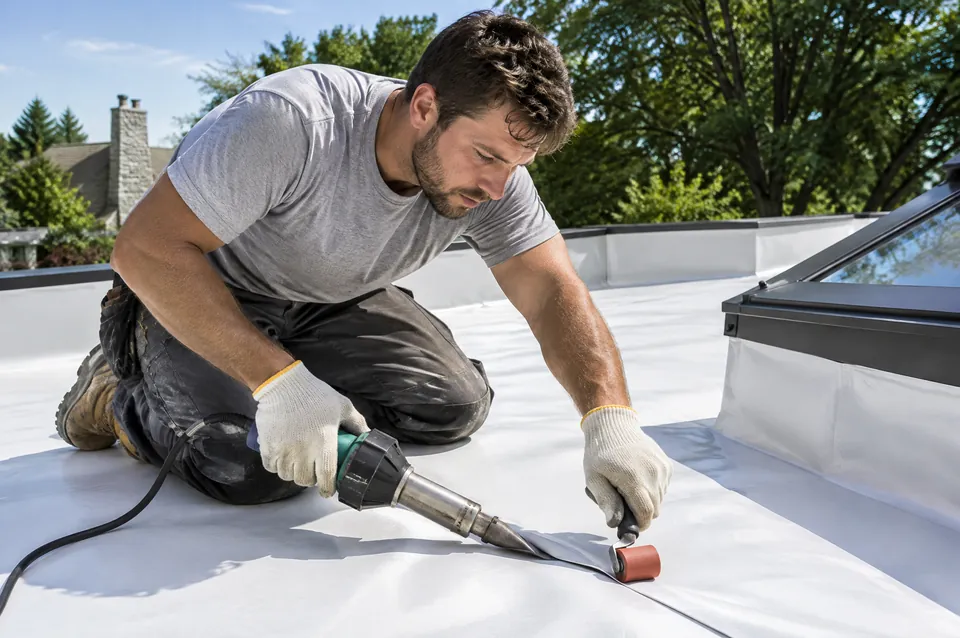 Flat roofing & TPOSingle-ply membranes for low-slope roofs; drainage is everything.Illustrative image
How they compare in Denver conditions
General tendencies only. Individual products vary widely; the manufacturer's specification sheet is what counts.
| Factor | Asphalt shingles | Metal | Concrete or clay tile | TPO / single-ply |
|---|---|---|---|---|
| Usual roof slope | Steep-slope | Steep and some low-slope systems | Steep-slope | Low-slope and flat |
| Hail | Bruising and granule loss; impact-rated versions available | Dents more often than leaks; finish can be marked | Individual tiles can crack | Punctures possible; cover boards help |
| Sun at altitude | Granules protect the asphalt; loss speeds aging | Finish fades slowly; check finish spec | Color generally holds well | Reflective surface; seams and flashing need checks |
| Freeze-thaw | Ice barrier at eaves is key | Snow slides; plan guards over doors and walks | Look for freeze-thaw ratings | Ponding water freezes; drainage is key |
| Weight | Light | Light | Heavy; framing check needed | Light |
| Upkeep | Low; watch flashing and boots | Low; watch screws, clips and seams | Replace broken tiles; underlayment ages | Regular drain and seam checks |
Reading a product specification sheet
Marketing language rarely helps. These are the lines worth finding on a spec sheet or installation guide:
- Impact rating. Some products are tested under UL 2218 and labeled with a class, Class 4 being the highest impact class in that standard. A rating describes how the product performed in a lab test with steel balls; it is not a promise that real hail will never damage it.
- Wind rating. Denver requires shingles to be tested and labeled for wind resistance under ASTM D7158 or ASTM D3161 and has set minimum ratings by zone [S2]. Confirm the rating against current city requirements, since that guide predates the current code.
- Minimum slope. Every covering has one. Below it, water backs up under laps.
- Installed weight. Matters most for tile, and for adding any layer to an older house.
- Warranty terms. What the manufacturer covers, for how long, whether it depends on a particular installer program, and what voids it. Service life varies by product; ask for the manufacturer's spec rather than relying on a sales figure.
Snow load and structure
Snow on a Denver roof can be light and dry or dense and wet in spring. The load a roof must be designed for is set by the building code the local jurisdiction has adopted and is verified for the specific building. Switching to a heavier covering, or adding solar on top, is the moment to have that checked.
Historic homes and material changes
For Denver individual landmarks and homes in historic districts, reroofing needs Landmark Preservation review. Same-material reroofs may qualify for a quicker review, while switching materials, including to synthetic versions of the original, may require Commission review [S3]. Factor that into your timeline before you fall in love with a different material.
Questions people ask
- Which roofing material handles hail well?
There is no single answer. Impact-rated shingles resist bruising better than standard ones, metal tends to dent rather than leak, tile can crack, and membranes depend on what is under them. Weigh the type of damage you can live with against cost and weight.
- Can I switch from shingles to tile or metal?
Often, but check slope, framing capacity for heavier tile, HOA or landmark rules, and how the new covering will meet walls, chimneys and gutters. Each of these can add cost or time.
- Does a lighter roof color help in Denver?
Lighter, more reflective surfaces generally absorb less heat in summer sun, which can help attic temperatures. In winter, any color sheds snow differently depending on slope and sun. Appearance and HOA rules usually matter as much as the thermal effect.
Sources
- S2 City and County of Denver: Roofing Guidelines and Checklist (PDF; older code edition)
- S3 City and County of Denver, Landmark Preservation: Roofing Design Review
Rules change. Confirm current requirements with Denver Community Planning and Development or your own city or county building department. This is general information, not legal advice. Last reviewed November 2026. How we research these pages.